The Bong Naturalist Association and the Friends of the Kettle Moraine State Forest – Southern Unit are joining forces to host this training highlighting two state properties. Our two friends’ organizations support the Richard Bong State Recreation Area – located in Kenosha County and the Kettle Moraine State Forest – Southern Unit, near the southwest corner of Waukesha County.
Participate in six sessions on public lands where you will gain essential resources, practical knowledge, and a strong community network to amplify your effectiveness as a dedicated land steward, inspiring educator, or active citizen scientist. Each session will include guest speakers, indoor instruction, and outdoor field experiences. The first three days of training will be held at Richard Bong State Recreation Area and the second three days of training will be held at the Kettle Moraine State Forest – Southern Unit. The two locations will provide a unique blend of habitats, species, and outdoor experiences that will fuel your interest in the natural world.
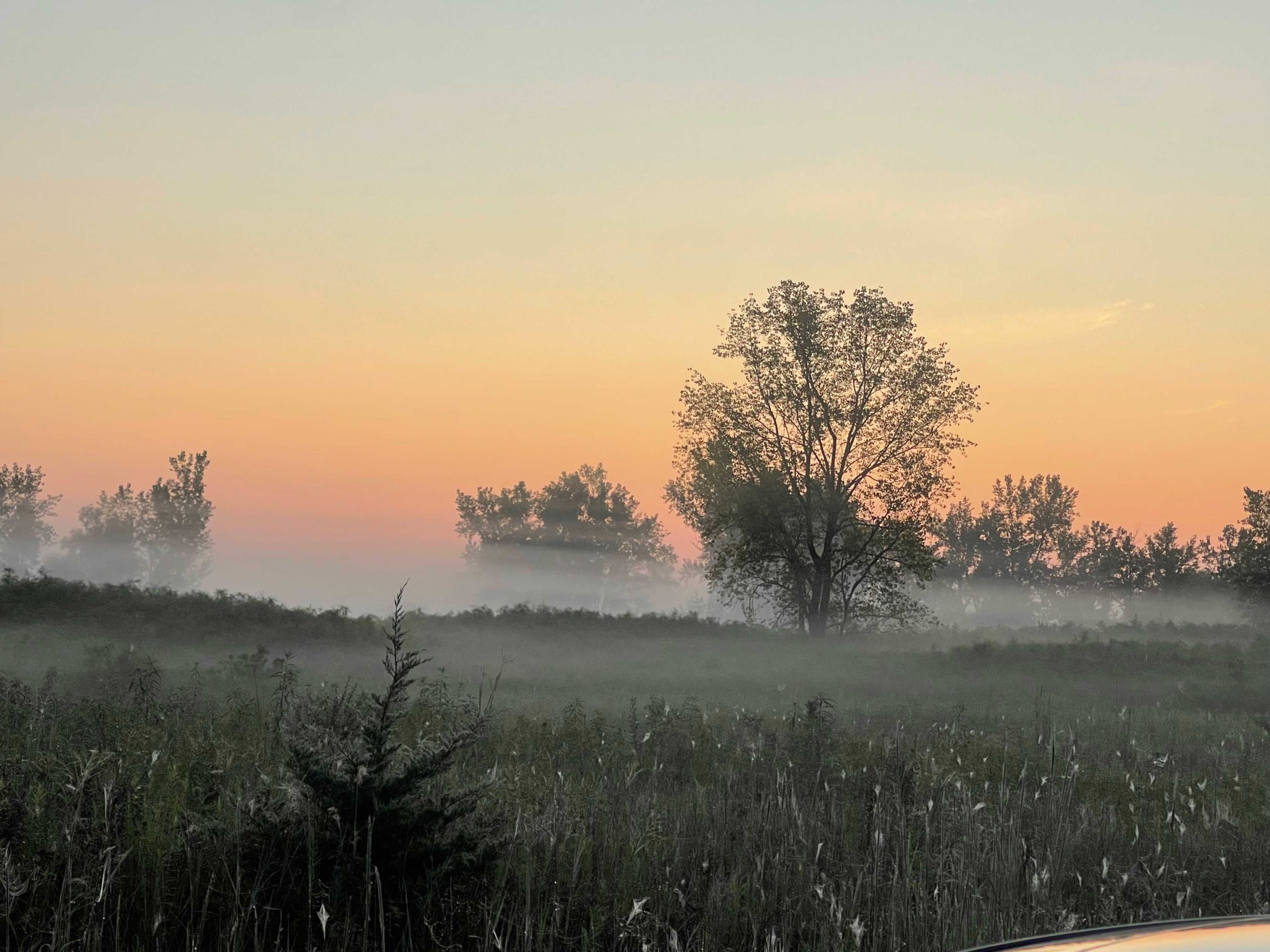
Richard Bong State Recreation Area includes over 4,500 acres of remnant and restored prairies, savannas, oak woodlands, old field grasslands and wetlands. It is home to native and migratory birds, wildlife and fish and offers unique recreation opportunities such as dog training, model airplane flying, rocketry, falconry, and hunting.
Kettle Moraine State Forest – Southern Unit covers more than 22,000 acres of forests, prairies, and wetlands with rare birds and plants. The Ice Age National Scenic Trail winds throughout the state forest along with 30 additional miles of mountain biking trails and 4 campgrounds.
The Wisconsin Master Naturalist program is a network of well-informed volunteers dedicated to conservation service, leadership, and lifelong learning. The Master Naturalist training provides 40 hours of education in a variety of natural history topics and Master Naturalist service areas. Through expert-led trainings, Master Naturalists are equipped to address challenges facing the state by making positive impacts through stewardship, citizen science, and educational activities. Trainings have an emphasis on outdoor field experiences with some classroom instruction and are taught by professional natural resources educators and scientists. Once trained, Wisconsin Master Naturalists record 40 hours of service and 8 hours of advanced training each year to maintain certification and receive a recognition pin.