Archives

Dec052025

River Bend Nature Center

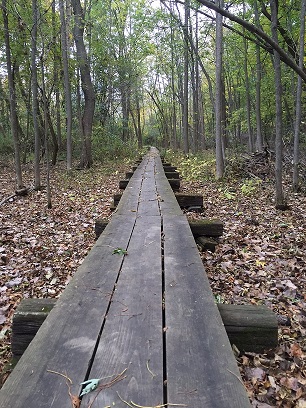
River Bend Nature Center is delighted to host its second Wisconsin Master Naturalist training! River Bend prides itself on its tradition of environmental education and stewardship efforts that support various plant communities and animal species in its lowland and upland forests, ponds, prairie, Root River riverine habitat, and marshes. Like a time capsule, this special 80 acres of land that sits just outside of Racine in southeastern Wisconsin, carries remnants and clues of human development and land use, illustrating the power of nature’s resilience. Additionally, the water features and geologic history of the land are prime examples of how water can be transformative, shaping an environment and dictating the types of species able to survive there. These themes will be central to our exploration of the interconnectedness of water, plant and animal communities, ecology, geology, weather and climate, and how the land’s natural history is interpreted through time.

Our training will be largely hands-on, primarily utilizing the habitats at River Bend as outdoor learning labs. Activities, guest speakers, citizen science and interpretive opportunities, as well as off-site field experiences will complement the indoor learning sessions. Although there are some optional sessions in our schedule, we encourage attendance to get the most out of the Master Naturalist experience.

The Wisconsin Master Naturalist program is a network of well-informed volunteers dedicated to conservation service, leadership, and lifelong learning. The Master Naturalist training provides 40 hours of education in a variety of natural history topics and Master Naturalist service areas. Through expert-led trainings, Master Naturalists are equipped to address challenges facing the state by making positive impacts through stewardship, citizen science, and educational activities. Trainings have an emphasis on outdoor field experiences with some classroom instruction and are taught by professional natural resources educators and scientists. Once trained, Wisconsin Master Naturalists record 40 hours of service and 8 hours of advanced training each year to maintain certification and receive a recognition pin.

Dec052025
The Wehr Nature Center building entrance on a sunny day

Wehr Nature Center

Present day southeast Wisconsin has a rich and varied history of land use patterns going back thousands of years. That landscape is the culmination of decisions made (and not made) that affect our land, water, flora, and fauna. Join Wehr Nature Center as we explore how we arrived at the present, and chart forward to possible futures.

Participants will explore a 400-million-year-old fossilized reef; walk ice age bluffs; hold a 50,000-year-old tree fragment; go behind the scenes at the School for Freshwater Sciences; learn how wildlife rehabilitation reveals our complicated history with wildlife; discover how a Milwaukee neighborhood organized and turned a cold-war missile base into a nature preserve; and see how climate change is connected to it all.  Our field experiences will take us to various locations within Milwaukee County and may include some uneven and steep trails as well as moderate hiking distances.

The Wisconsin Master Naturalist program is a network of well-informed volunteers dedicated to conservation service, leadership, and lifelong learning. The Master Naturalist training provides 40 hours of education in a variety of natural history topics and Master Naturalist service areas. Through expert-led trainings, Master Naturalists are equipped to address challenges facing the state by making positive impacts through stewardship, citizen science, and educational activities. Trainings have an emphasis on outdoor field experiences with some classroom instruction and are taught by professional natural resources educators and scientists. Once trained, Wisconsin Master Naturalists record 40 hours of service and 8 hours of advanced training each year to maintain certification and receive a recognition pin.

Dec052025
monarch butterfly on purple plant

St. Croix Valley

Carpenter Nature Center and The Friends of Willow River & Kinnickinnic State Parks are partnering to offer the Wisconsin Master Naturalist training. We will meet one Saturday a month, March-August, at various locations throughout the St. Croix Valley. The training will include some time indoors but will focus mostly on local and regional field experiences to exceptional sites for learning in our topic areas (geology, ecology, plant communities, wildlife, interpretation, water, and human impacts). Many regional experts will be sharing their knowledge, research, tips, and inspiration with us as they lead or present parts of the training.

The Wisconsin Master Naturalist program is a network of well-informed volunteers dedicated to conservation service, leadership, and lifelong learning. The Master Naturalist training provides 40 hours of education in a variety of natural history topics and Master Naturalist service areas. Through expert-led trainings, Master Naturalists are equipped to address challenges facing the state by making positive impacts through stewardship, citizen science, and educational activities. Trainings have an emphasis on outdoor field experiences with some classroom instruction and are taught by professional natural resources educators and scientists. Once trained, Wisconsin Master Naturalists record 40 hours of service and 8 hours of advanced training each year to maintain certification and receive a recognition pin.
Dec052025
a bright blue sky filled with large puffy white clouds with a pond reflecting the sky

Hunt Hill Nature Center

Hunt Hill Nature Center is located on nearly 600 acres of mixed forest and four scenic lakes. The area offers a variety of distinctive Wisconsin habitats, including fens, bogs, a meadow, a large dry kettle, restored native prairie, and seven miles of hiking trails. Our facilities include a spacious lecture hall, a library, and several outdoor teaching areas. During your time here, we will lead several 1-2 mile hikes on uneven terrain with mild hills. Our faculty, who have authored numerous books, bring a wealth of knowledge and experience, creating an engaging and enriching learning environment.

Hunt Hill is a residential camp with dormitories and a dedicated kitchen staff. We encourage participants to stay on-site during the training to fully immerse themselves in the community, which we believe is a valuable part of the experience. Optional morning yoga sessions and evening campfires and concerts are also available. We offer reasonable rates for meals and lodging, payable directly to Hunt Hill. For more information or to make arrangements, please contact Sage Dunham, Group Coordinator, at contract@hunthill.org or call (715) 635-6543.

The Wisconsin Master Naturalist program is a network of well-informed volunteers dedicated to conservation service, leadership, and lifelong learning. The Master Naturalist training provides 40 hours of education in a variety of natural history topics and Master Naturalist service areas. Through expert-led trainings, Master Naturalists are equipped to address challenges facing the state by making positive impacts through stewardship, citizen science, and educational activities. Trainings have an emphasis on outdoor field experiences with some classroom instruction and are taught by professional natural resources educators and scientists. Once trained, Wisconsin Master Naturalists record 40 hours of service and 8 hours of advanced training each year to maintain certification and receive a recognition pin.

Dec052025

Kickapoo Valley Reserve

The Kickapoo Valley Reserve (KVR) is an 8,600-acre tract of land located in Vernon County, between the villages of La Farge and Ontario. Join KVR staff and regional experts to learn more about and experience topics such as the effects of climate change, the indigenous cultures, and ornithology. This training will be held two days in a row (Thursday/Friday) at various times from May to October to capture the phenological variation of the area. Each day will be on the Kickapoo Valley Reserve and may require short (<10 minutes) travel in personal vehicles. This training will require moderate physical stamina and may include hiking on and off trail in varied terrains, paddling a canoe, and learning in remote/backcountry spaces.

The Wisconsin Master Naturalist program is a network of well-informed volunteers dedicated to conservation service, leadership, and lifelong learning. The Master Naturalist training provides 40 hours of education in a variety of natural history topics and Master Naturalist service areas. Through expert-led trainings, Master Naturalists are equipped to address challenges facing the state by making positive impacts through stewardship, citizen science, and educational activities. Trainings have an emphasis on outdoor field experiences with some classroom instruction and are taught by professional natural resources educators and scientists. Once trained, Wisconsin Master Naturalists record 40 hours of service and 8 hours of advanced training each year to maintain certification and receive a recognition pin.

Dec052025
Four people stand at the edge of a lily-pad covered pod making observations of nature

Schlitz Audubon Nature Center

Schlitz Audubon Nature Center will be hosting its eighth Wisconsin Master Naturalist training. The training will be held almost entirely outside for field experiences at Schlitz Audubon’s 185 acres. We will explore the property’s diverse habitats including wetlands, forests, restored prairies, and the shoreline of Lake Michigan. Participants will meet birds from our Raptor Program and learn from our skilled Environmental Educators about community science, nature education, conservation, and more. Our Saturday field experiences will occur at Garrison’s Glen (near Grafton) and Cedarburg Bog State Natural Area (Saukville). Participants are responsible for their own transportation or coordinating ride shares to field locations.

The Wisconsin Master Naturalist program is a network of well-informed volunteers dedicated to conservation service, leadership, and lifelong learning. The Master Naturalist training provides 40 hours of education in a variety of natural history topics and Master Naturalist service areas. Through expert-led trainings, Master Naturalists are equipped to address challenges facing the state by making positive impacts through stewardship, citizen science, and educational activities. Trainings have an emphasis on outdoor field experiences with some classroom instruction and are taught by professional natural resources educators and scientists. Once trained, Wisconsin Master Naturalists record 40 hours of service and 8 hours of advanced training each year to maintain certification and receive a recognition pin.
Dec052025
image of prescribed burn for habitat maintenance at UW Arboretum, two volunteers are tending to the fire

Ecological Restoration

The UW–Madison Arboretum and UW–Madison Lakeshore Nature Preserve invite you to join our Wisconsin Master Naturalist training in September and October as summer transitions to autumn. Our training will focus on ecological restoration and building a sense of place through repeated visits to the ecosystems of these special UW–Madison places. The 1,200-acre Arboretum sits a few miles south of the UW–Madison campus and is considered the birthplace of ecological restoration. The Lakeshore Nature Preserve is a 300-acre living laboratory on the UW–Madison campus, along the shores of Lake Mendota. Both landscapes feature prairies, oak savannas, forests and wetlands in an urban context. Outdoor activities will take place in a variety of sites across the Arboretum and Lakeshore Nature Preserve, some of which do not have immediate access to restrooms and drinking water. Terrain will include some level trails, some trails over and across hillsides, and occasional off-trail sites. Some trails are wide with packed gravel surfaces, others are narrow with rocks and roots.

The Wisconsin Master Naturalist program is a network of well-informed volunteers dedicated to conservation service, leadership, and lifelong learning. The Master Naturalist training provides 40 hours of education in a variety of natural history topics and Master Naturalist service areas. Through expert-led trainings, Master Naturalists are equipped to address challenges facing the state by making positive impacts through stewardship, citizen science, and educational activities. Trainings have an emphasis on outdoor field experiences with some classroom instruction and are taught by professional natural resources educators and scientists. Once trained, Wisconsin Master Naturalists record 40 hours of service and 8 hours of advanced training each year to maintain certification and receive a recognition pin.
Dec052025
people walking away from the camera on a boardwalk with green plants on each side

Lake Superior

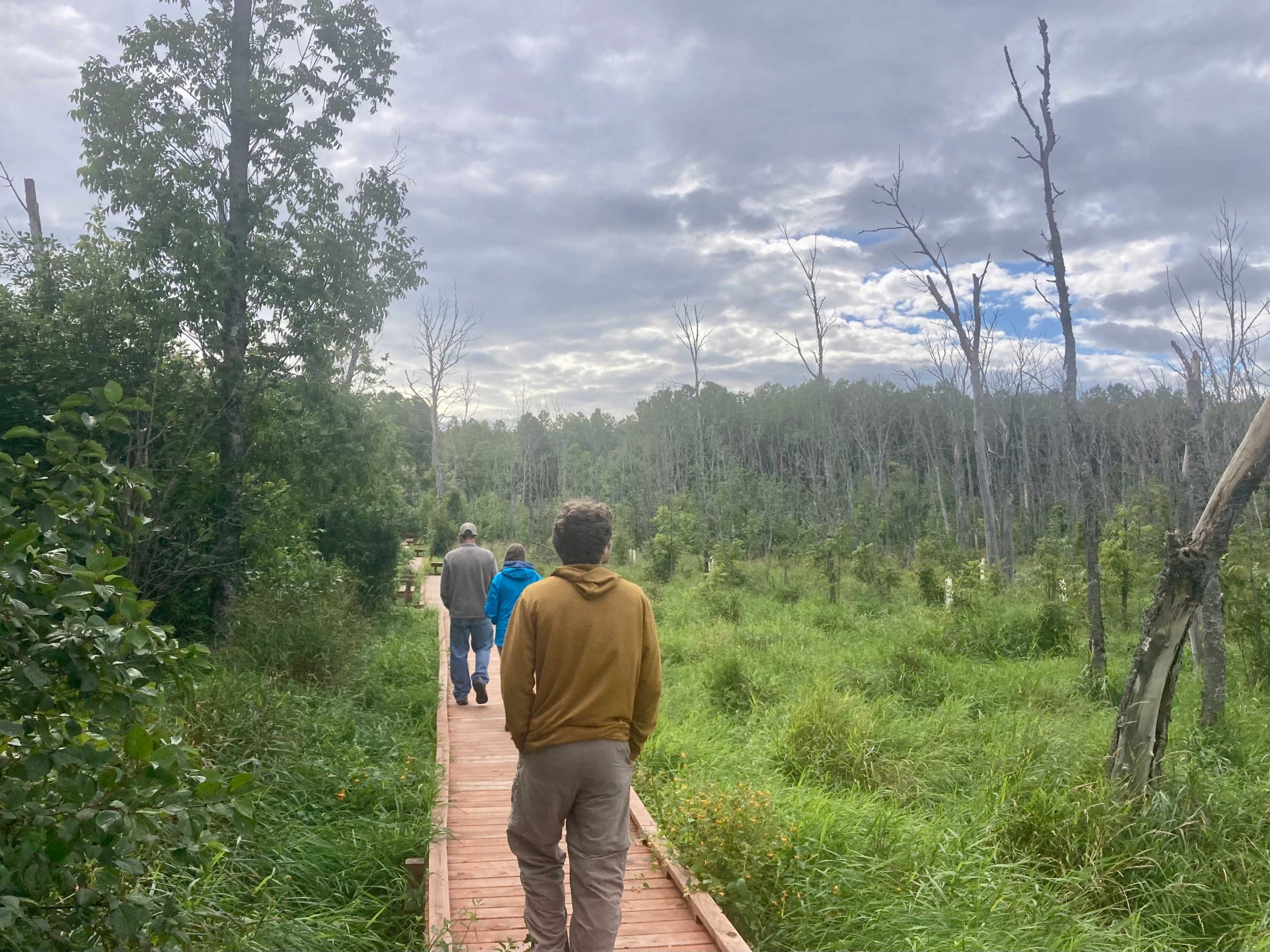
Discover the beauty and complexity of Wisconsin’s Lake Superior coast. With Ashland, WI as our basecamp, we will set out across the South Shore to experience the landscapes and waterways that define the Wisconsin portion of the Lake Superior Basin. Hosted in partnership with the Lake Superior Collaborative and the Superior Rivers Watershed Association, participants will explore shorelines, wetlands, tributaries, and northern forests while learning about the ecological and geological forces that shape the South Shore.

This field-based training takes place over two extended weekends in August and features lessons led by regional experts, natural resource professionals, researchers, and community leaders. Learn what makes this region so special and gain a firsthand look at the conservation work underway to keep this area resilient in a changing landscape. Participants can expect moderate hiking, uneven terrain, occasional wading, and full days outdoors, including at least a few hours on the water in boats. Transportation and lodging are the responsibility of participants, with carpooling encouraged.

The Wisconsin Master Naturalist program is a network of well-informed volunteers dedicated to conservation service, leadership, and lifelong learning. The Master Naturalist training provides 40 hours of education in a variety of natural history topics and Master Naturalist service areas. Through expert-led trainings, Master Naturalists are equipped to address challenges facing the state by making positive impacts through stewardship, citizen science, and educational activities. Trainings have an emphasis on outdoor field experiences with some classroom instruction and are taught by professional natural resources educators and scientists. Once trained, Wisconsin Master Naturalists record 40 hours of service and 8 hours of advanced training each year to maintain certification and receive a recognition pin.
Dec052025
a man holding a whiteboard with a drawing of rain falling onto and running down a hill

Bayfield County

Join us in Bayfield County! The Cable Natural History Museum is offering a week-long (Monday–Saturday) Wisconsin Master Naturalist training. This schedule allows local and out-of-town participants the opportunity to take the Master Naturalist training during a condensed time frame. This is an active training with field portions incorporated into each day, including on- and off-trail hiking and experiences on the water in canoes. We will take you across Bayfield County from Cable to Bayfield and many areas in between, exploring glacial features, waterfalls, barrens, and estuaries. You’ll get an up-close look at northern Wisconsin while banding birds, investigating landforms, identifying plants, and exploring the Lake Superior fisheries. You will be responsible for your own transportation or carpooling to a variety of sites within 45 minutes of Ashland on paved and gravel roads. Lodging near Ashland/Washburn is the most centric to the travel throughout the week.

The Wisconsin Master Naturalist program is a network of well-informed volunteers dedicated to conservation service, leadership, and lifelong learning. The Master Naturalist training provides 40 hours of education in a variety of natural history topics and Master Naturalist service areas. Through expert-led trainings, Master Naturalists are equipped to address challenges facing the state by making positive impacts through stewardship, citizen science, and educational activities. Trainings have an emphasis on outdoor field experiences with some classroom instruction and are taught by professional natural resources educators and scientists. Once trained, Wisconsin Master Naturalists record 40 hours of service and 8 hours of advanced training each year to maintain certification and receive a recognition pin.

Dec052025

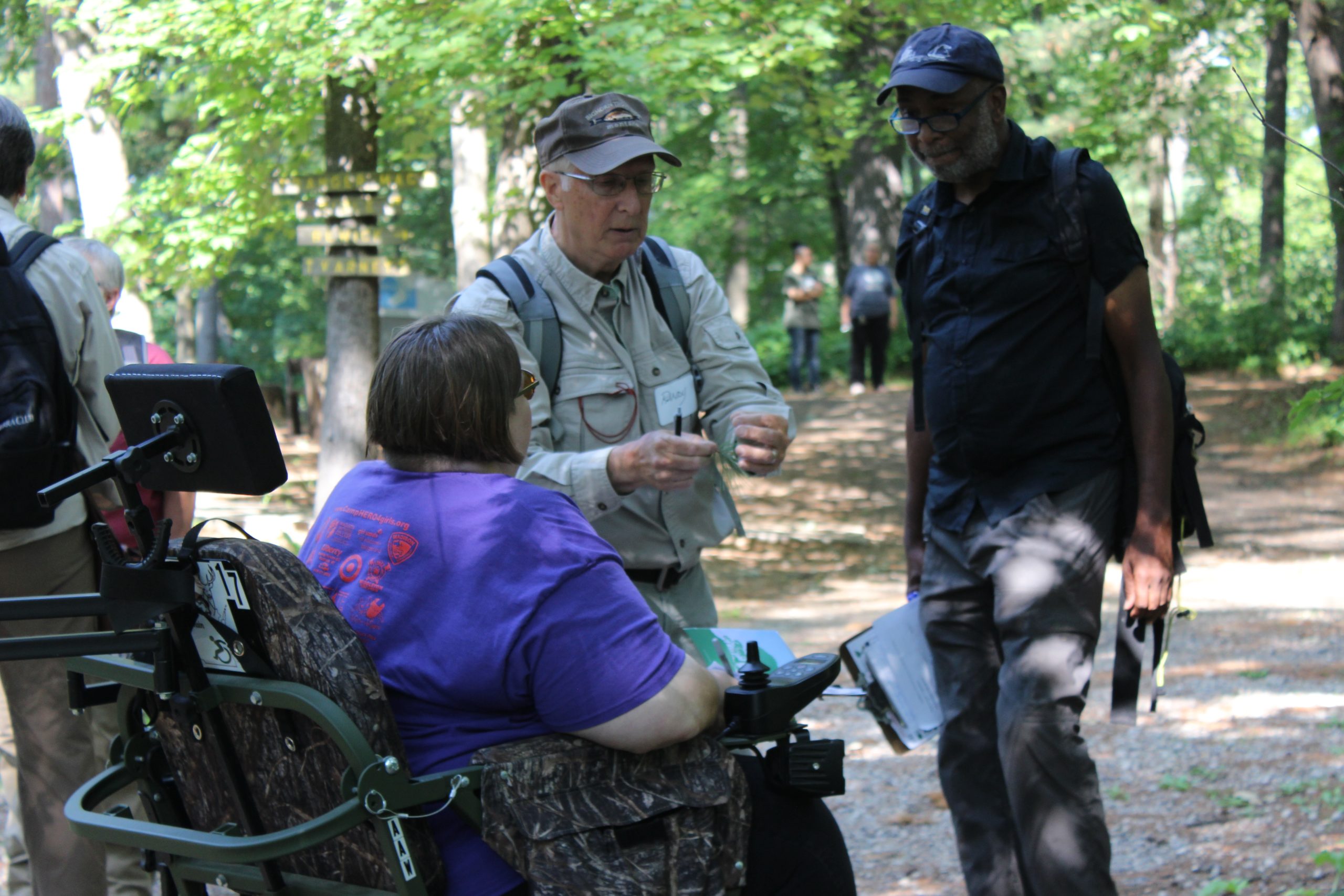
Upham Woods

Upham Woods Outdoor Learning Center located near the Wisconsin Dells will become a river classroom as participants become certified Master Naturalists. Upham Woods is located on 318 acres of forested land, including a 210-acre state natural area called Blackhawk Island. Explore the special features of this site from old-growth oak forests to unique geology to historical sites. A wealth of guest experts will explore Master Naturalist topics through three complementary focal points: learning through place-based experiential education, a focus on land stewardship by developing our personal conservation ethics, and opportunities to give service in diverse areas including youth education, conservation work, and outdoor recreation. Accessibility is at the forefront of what we do so all activities will be designed with your access needs in mind but traditionally there are several 1-3 mile hikes over uneven terrain throughout the training. Other activities include investigating macro-invertebrates living in the river, connecting with other local conservation institutions like Aldo Leopold Foundation and Mirror Lake State Park Friends Group, and connecting to the land and Ho-Chunk Culture with a facilitated traditional art project.Participants are responsible for their own transportation or coordinating ride shares to field locations.

The Wisconsin Master Naturalist program is a network of well-informed volunteers dedicated to conservation service, leadership, and lifelong learning. The Master Naturalist training provides 40 hours of education in a variety of natural history topics and Master Naturalist service areas. Through expert-led trainings, Master Naturalists are equipped to address challenges facing the state by making positive impacts through stewardship, citizen science, and educational activities. Trainings have an emphasis on outdoor field experiences with some classroom instruction and are taught by professional natural resources educators and scientists. Once trained, Wisconsin Master Naturalists record 40 hours of service and 8 hours of advanced training each year to maintain certification and receive a recognition pin.