Archives

Jan062020
Master Naturalist instructor points to map of Wisconsin with Lake Michigan in background

Camp Y-Koda Outdoor Skills Center and Kohler-Andrae State Park

All 2020 Master Naturalist Volunteer Trainings are postponed due to COVID-19. The Master Naturalist Program continues to work with host organizations to develop a 2021 training calendar, along with new training guidelines and resources to promote healthy and engaging learning environments out in nature and in the classroom. Watch for 2021 locations and dates to be announced by December 1, 2020.

Training will held at both Camp Y-Koda Outdoor Skills Center, Sheboygan Falls and Kohler-Andrae State Park Sanderling Nature Center, Sheboygan with field trips to Northern Unit-Kettle Moraine State Forest Ice Age Center and other nearby locations. Class sessions will cover Geology/landscapes, Ecology, Plant ID and Communities, Wildlife ID, Interpretation, Aquatic Life, Human Impacts, Intro to Birding, Invasive Species.

The Wisconsin Master Naturalist program is a network of well-informed volunteers dedicated to conservation service, leadership, and lifelong learning. The Master Naturalist Volunteer Training provides 40 hours of coursework in natural history, interpretation, and conservation stewardship. Trainings combine classroom instruction with field experiences and are taught by professional natural resources educators and scientists. Once trained, Wisconsin Master Naturalists provide 40 hours of service and take 8 hours of advanced training each year to maintain their certification and receive a recognition pin.


Jan062020
Master Naturalists pose during hike with walking sticks in the rain

Trees for Tomorrow

All 2020 Master Naturalist Volunteer Trainings are postponed due to COVID-19. The Master Naturalist Program continues to work with host organizations to develop a 2021 training calendar, along with new training guidelines and resources to promote healthy and engaging learning environments out in nature and in the classroom. Watch for 2021 locations and dates to be announced by December 1, 2020.

Trees For Tomorrow (TFT), a natural resources specialty school, will be hosting a Master Naturalist Volunteer Training. Join TFT staff and regional experts in a week-long exploration of the waters, forests, wildlife, and geology that make the Northwoods so special. A continental breakfast and lunch are provided each day. Lodging is available for an additional cost payable to TFT.

The Wisconsin Master Naturalist program is a network of well-informed volunteers dedicated to conservation service, leadership, and lifelong learning. The Master Naturalist Volunteer Training provides 40 hours of coursework in natural history, interpretation, and conservation stewardship. Trainings combine classroom instruction with field experiences and are taught by professional natural resources educators and scientists. Once trained, Wisconsin Master Naturalists provide 40 hours of service and take 8 hours of advanced training each year to maintain their certification and receive a recognition pin.
Jan062020
monarch butterfly on purple plant

St. Croix Valley

All 2020 Master Naturalist Volunteer Trainings are postponed due to COVID-19. The Master Naturalist Program continues to work with host organizations to develop a 2021 training calendar, along with new training guidelines and resources to promote healthy and engaging learning environments out in nature and in the classroom. Watch for 2021 locations and dates to be announced by December 1, 2020.

Carpenter Nature Center, St. Croix County Parks, and The Friends of Willow River & Kinnickinnic State Parks are partnering to offer the Wisconsin Master Naturalist Volunteer Training Course. The classes will usually be held on the 3rd Saturday of the month starting on June 6th and ending on November 21st . The course will include some classroom time, but will focus mostly on local and regional field experiences to exceptional sites for learning in our topic areas (geology, ecology, plant communities, wildlife, interpretation, water, and human impacts). Many regional experts will be sharing their knowledge, research, tips, and inspiration with us as they lead or present parts of the course.

A Master Naturalist course instruction manual will be provided and woven into all of the studies. Participants will also meet representatives from each host organization, DNR, local non-profit, and nature groups to learn about the many opportunities for the Master Naturalists to engage as volunteers, participate in citizen science, help provide leadership for activities, community involvement, and so much more!

The Wisconsin Master Naturalist program is a network of well-informed volunteers dedicated to conservation service, leadership, and lifelong learning.  The Master Naturalist Volunteer Training provides 40 hours of coursework in natural history, interpretation, and conservation stewardship.  Trainings combine classroom instruction with field experiences and are taught by professional natural resources educators and scientists.  Once trained, Wisconsin Master Naturalists provide 40 hours of service and take 8 hours of advanced training each year to maintain their certification and receive a recognition pin.


Jan062020
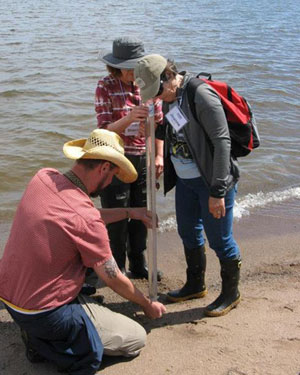
Master Naturalists using a turbidity tube to assess Lake Superior water quality

Lake Superior Watershed

All 2020 Master Naturalist Volunteer Trainings are postponed due to COVID-19. The Master Naturalist Program continues to work with host organizations to develop a 2021 training calendar, along with new training guidelines and resources to promote healthy and engaging learning environments out in nature and in the classroom. Watch for 2021 locations and dates to be announced by December 1, 2020.

The Northern Great Lakes Visitor Center and Cable Natural History Museum are partnering once again to offer a 6-day (one week) Wisconsin Master Naturalist Volunteer training. This schedule allows local and out-of-town participants the opportunity to take the Master Naturalist training during a condensed time frame. This is an active training with field experiences incorporated into each day including on- and off-trail hiking and experiences on the water. Most programming will occur throughout Bayfield County with self-arranged travel to sites within 45 minutes of Ashland.

The Wisconsin Master Naturalist program is a network of well-informed volunteers dedicated to conservation service, leadership, and lifelong learning. The Master Naturalist Volunteer Training provides 40 hours of coursework in natural history, interpretation, and conservation stewardship. Trainings combine classroom instruction with field experiences and are taught by professional natural resources educators and scientists. Once trained, Wisconsin Master Naturalists provide 40 hours of service and take 8 hours of advanced training each year to maintain their certification and receive a recognition pin.
Jan062020
image shows boardwalk winding through wetland habitat at Schlitz Audubon Nature Center

Schlitz Audubon Nature Center

All 2020 Master Naturalist Volunteer Trainings are postponed due to COVID-19. The Master Naturalist Program continues to work with host organizations to develop a 2021 training calendar, along with new training guidelines and resources to promote healthy and engaging learning environments out in nature and in the classroom. Watch for 2021 locations and dates to be announced by December 1, 2020.

Schlitz Audubon Nature Center will host its fourth Wisconsin Master Naturalist Volunteer Training Course beginning August 27th.There will be classroom time, but we will get outside as much as possible to explore Schlitz Audubon’s 185 acres of diverse habitats including wetlands, forests, restored prairies, and the shoreline of Lake Michigan. Participants will meet birds from our Raptor Program and learn how to handle our reptile and amphibian animal ambassadors to educate the public. A variety of experts will present about community science, nature education, conservation, and more. Our field trips will explore the ecology of the Cedarburg Bog and the geology of the Northern Kettle Moraine State Forest.

The Wisconsin Master Naturalist program is a network of well-informed volunteers dedicated to conservation service, leadership, and lifelong learning. The Master Naturalist Volunteer Training provides 40 hours of coursework in natural history, interpretation, and conservation stewardship. Trainings combine classroom instruction with field experiences and are taught by professional natural resources educators and scientists. Once trained, Wisconsin Master Naturalists provide 40 hours of service and take 8 hours of advanced training each year to maintain their certification and receive a recognition pin.

Jan062020
image of prairie plants on a sunny day at Kishwauketoe Nature Conservancy

Kishwauketoe Nature Conservancy

All 2020 Master Naturalist Volunteer Trainings are postponed due to COVID-19. The Master Naturalist Program continues to work with host organizations to develop a 2021 training calendar, along with new training guidelines and resources to promote healthy and engaging learning environments out in nature and in the classroom. Watch for 2021 locations and dates to be announced by December 1, 2020.

Kishwauketoe Nature Conservancy (KNC), Williams Bay, will host a Wisconsin Master Naturalist Volunteer Training Course July 27-August 1. KNC is ecologically diverse 231-acre site located on Geneva Lake. Ecosystems include wetland, creeks, meadow, prairie, oak opening, woodlands and an arboretum. The Master Naturalist Training is a balanced blend of classroom time, hands-on and field experiences and an exciting opportunity to network with others sharing like interests. Site restoration will also be studied. If you enjoy spending time outdoors in natural areas, and helping others better understand our natural resources or assisting with stewardship or citizen science, this course is for you! Adults of any age and varying backgrounds and interests are welcome; there are no prerequisites or tests. Following course completion, you will be part of a large network of volunteers throughout the state and linked to a variety of volunteer opportunities from which to choose.

The Wisconsin Master Naturalist program is a network of well-informed volunteers dedicated to conservation service, leadership, and lifelong learning. The Master Naturalist Volunteer Training provides 40 hours of coursework in natural history, interpretation, and conservation stewardship. Trainings combine classroom instruction with field experiences and are taught by professional natural resources educators and scientists. Once trained, Wisconsin Master Naturalists provide 40 hours of service and take 8 hours of advanced training each year to maintain their certification and receive a recognition pin.

Jan062020
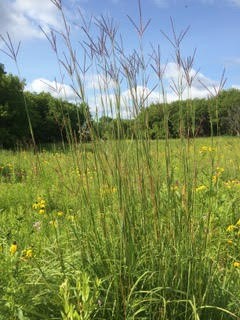
Summer prairie plants in bloom at Retzer Nature Center on a sunny day

Retzer Nature Center

All 2020 Master Naturalist Volunteer Trainings are postponed due to COVID-19. The Master Naturalist Program continues to work with host organizations to develop a 2021 training calendar, along with new training guidelines and resources to promote healthy and engaging learning environments out in nature and in the classroom. Watch for 2021 locations and dates to be announced by December 1, 2020.

Waukesha County Parks and Friends of Retzer Nature Center are hosting a week-long Master Naturalist Volunteer Training at Retzer Nature Center, a 400 acre county park located in Waukesha. Join us from July 20-25, 2020, for an exploration of the prairies, forests, waters, wildlife, and geology of southeast Wisconsin. The course will include limited classroom time at Retzer Nature Center and local field experiences incorporated into each day of the training.

The Wisconsin Master Naturalist program is a network of well-informed volunteers dedicated to conservation service, leadership, and lifelong learning. The Master Naturalist Volunteer Training provides 40 hours of coursework in natural history, interpretation, and conservation stewardship. Trainings combine classroom instruction with field experiences and are taught by professional natural resources educators and scientists. Once trained, Wisconsin Master Naturalists provide 40 hours of service and take 8 hours of advanced training each year to maintain their certification and receive a recognition pin.