Archives

Feb142019

Friends of Hartman Creek State Park

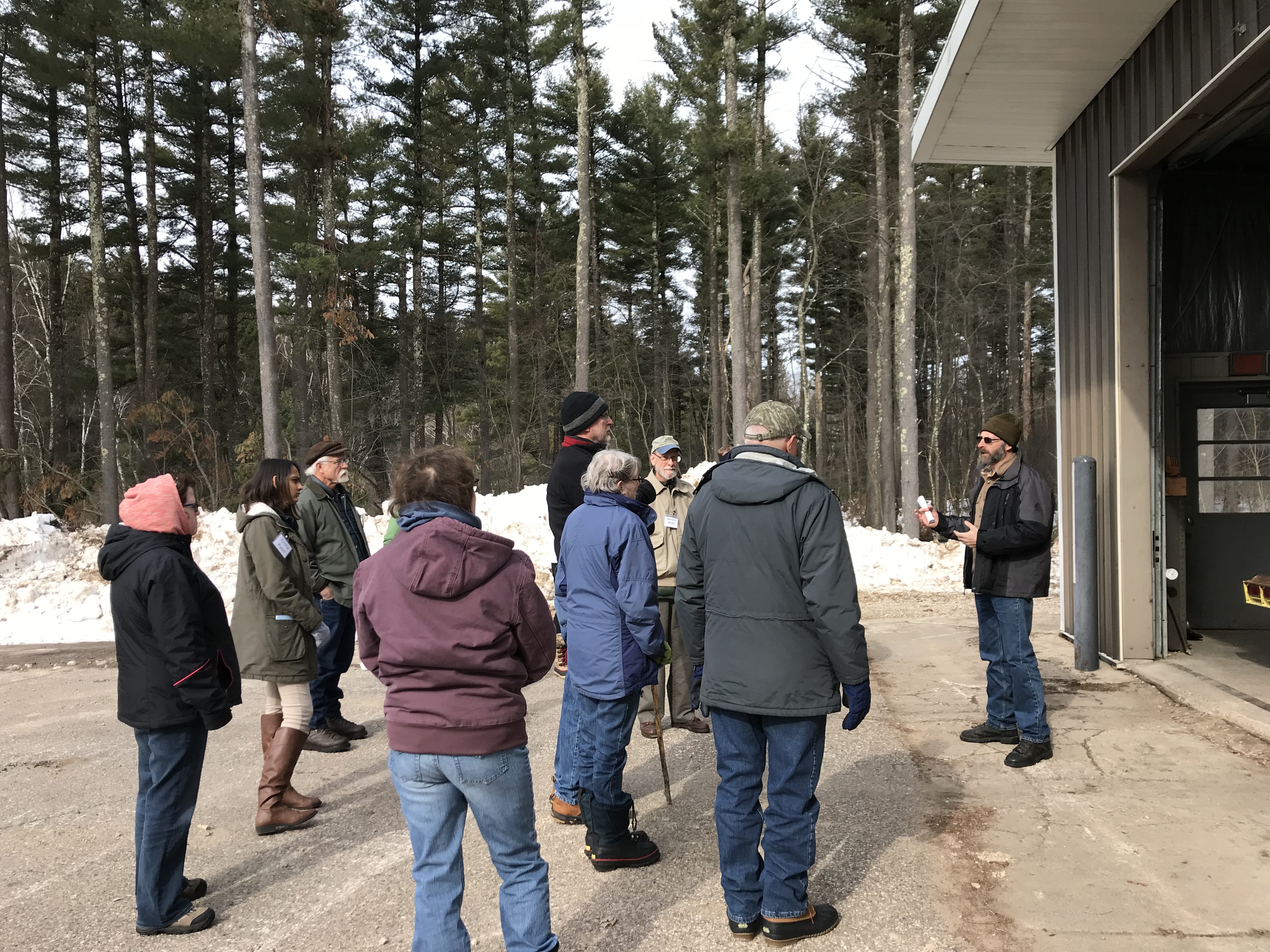
Friends of Hartman Creek and Hartman Creek State Park will partner to offer the Master Naturalist Volunteer training course in one week.  Classes will be held at the park’s shelter and field trips will occur every day, mostly within the park boundaries.

The Wisconsin Master Naturalist Program is a network of well-informed citizens dedicated to conservation education and service within Wisconsin communities.  The Master Naturalist Volunteer Training Course provides 40 hours of coursework in natural history, interpretation, and conservation stewardship.  Trainings combine classroom instruction with field experiences and are taught by professional natural resources educators and scientists.  Once trained, Wisconsin Master Naturalist Volunteers provide 40 hours of service and take 8 hours of advanced training each year to maintain their certification and receive a recognition pin.

Feb142019
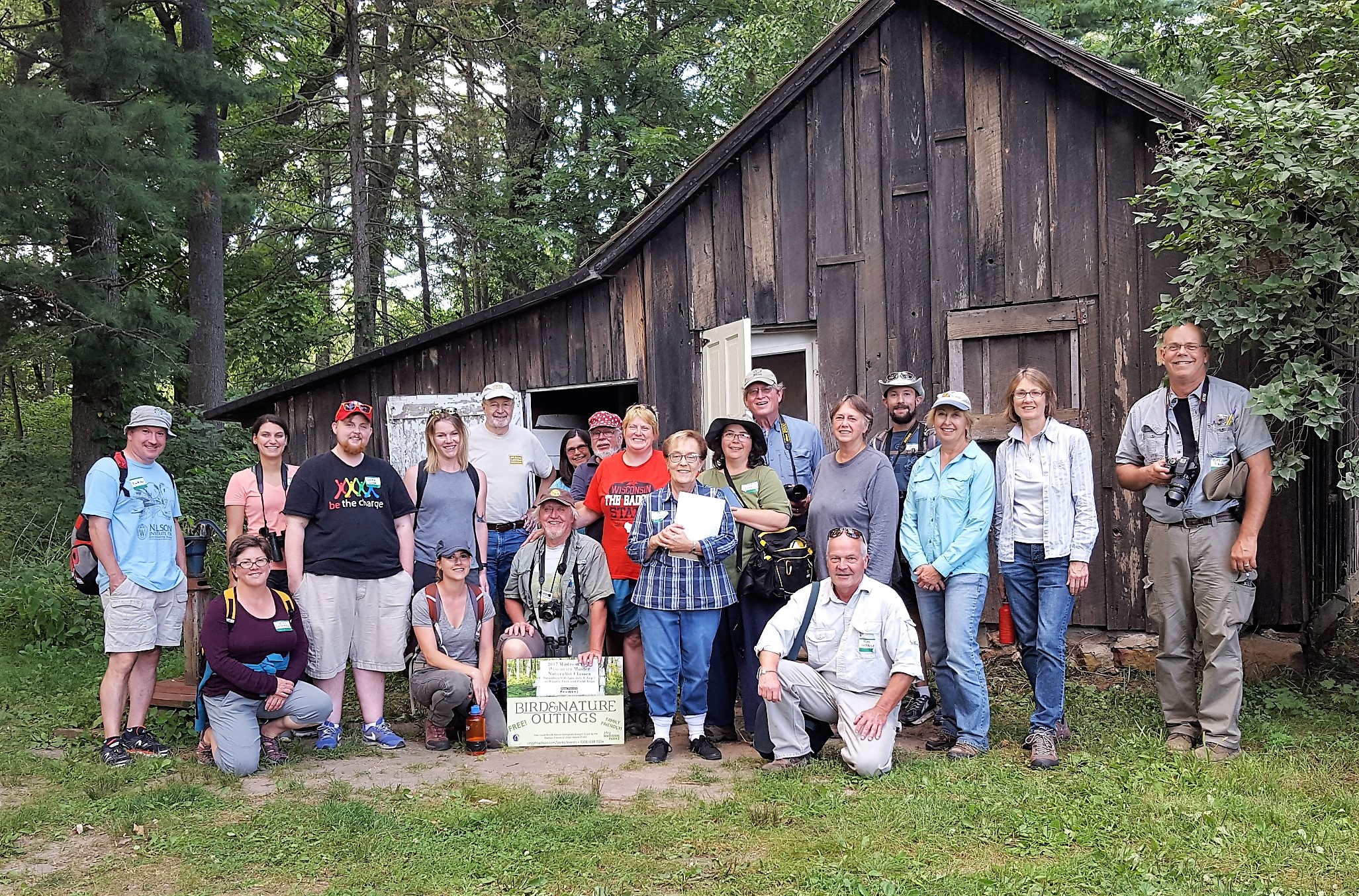
A large group of people standing in front of an old weathered barn

Friends of Urban Nature

Friends of Urban Nature (FUN), a coalition of Madison Parks, Friends groups, and Nature groups, is happy to offer its fourth annual Summer Wisconsin Master Naturalist Volunteer Training course. Held on a series of Saturdays in July and August, this course offers a special focus on learning about Nature Recreation, Nature Education, Nature Restoration, Natural Health, and Connecting Communities and Kids with Nature.

FIELD TRIPS

Each Saturday session has a mix of indoor and outdoor education featuring morning and afternoon Field Trips.  Naturalists and Topic Experts will help you discover and interpret the history, geology, human impacts, ecology, birds and wildlife of nearby Urban Natural Areas including Warner Park, Cherokee Marsh, UW Arboretum, and the Lakeshore Nature Preserve.

TOPICS

Wisconsin’s historic prairies, oak openings, lakes, rivers, and streams, and the native birds, wildlife and natural ecosystems they support, and related topic chapters from the Master Naturalist Class instruction manual, will be woven into all of our studies. Participants will also meet representatives of DNR, Parks, Friends and Nature groups to learn about many opportunities for Master Naturalists to engage as volunteers, participate in Citizen Science, help provide leadership for activities, job opportunities, and community involvement.

WHO SHOULD TAKE THIS CLASS

People of all skill levels and backgrounds are invited to attend!  This course is conducted ‘in the round’ encouraging participation and sharing of ideas and experiences.  It can be taken for personal enrichment or career enhancement and you are welcome to attend even if you cannot complete all 6 Saturdays.  The course includes an individual Capstone project for each student, and UW students can talk to their instructor about the opportunity to take this course as an independent study for credit.  Those who complete all 6 Saturdays (or equivalent make-up activities approved by instructors) and 40 hours of follow-up volunteer activity become Certified Wisconsin Master Naturalists.

The Wisconsin Master Naturalist Program is a network of well-informed citizens dedicated to conservation education and service within Wisconsin communities.  The Master Naturalist Volunteer Training Course provides 40 hours of coursework in natural history, interpretation, and conservation stewardship.  Trainings combine classroom instruction with field experiences and are taught by professional natural resources educators and scientists.  Once trained, Wisconsin Master Naturalist Volunteers provide 40 hours of service and take 8 hours of advanced training each year to maintain their certification and receive a recognition pin.
Feb142019

Friends of Pheasant Branch Conservancy

The Friends of Pheasant Branch Conservancy is hosting a Master Naturalist Course in Middleton beginning June 20, 2019. The course will include some classroom time, but will focus mostly on outdoor experiences in the Pheasant Branch Conservancy and field trips to other exceptional sites for learning in our topic areas. Many experts will be sharing their knowledge, research, tips, tricks and inspiration with us as they lead or present parts of the course. The Conservancy includes 500 acres of remnant and seeded prairie, oak savanna, woodlands, springs, wetlands, and stream corridors. The course will look within the Conservancy and other places in the Pheasant Branch Watershed and beyond to explore geologic history, ecology, water and soil resources, and the connections between humans and the landscape. The course will have two complementary focal points: one is learning about the environment through outdoor education and the other is learning through restoration and management activities – a service-learning approach. The target audience includes individuals who are interested in teaching using the outdoors as a classroom as well as folks interested in volunteering for restoration and management of natural areas all while gaining an environmental knowledge base. Plan to carpool to outdoor sites.

The Wisconsin Master Naturalist Program is a network of well-informed citizens dedicated to conservation education and service within Wisconsin communities.  The Master Naturalist Volunteer Training Course provides 40 hours of coursework in natural history, interpretation, and conservation stewardship.  Trainings combine classroom instruction with field experiences and are taught by professional natural resources educators and scientists.  Once trained, Wisconsin Master Naturalist Volunteers provide 40 hours of service and take 8 hours of advanced training each year to maintain their certification and receive a recognition pin.

Feb142019

Trees for Tomorrow

Trees for Tomorrow (TFT) in Eagle River is hosting its first Wisconsin Master Naturalist Volunteer training.  Join TFT staff and regional experts in a week-long exploration of the waters, forests, wildlife, and geology that make the Northwoods so special.  A continental breakfast and lunch will be provided for all participants each day.  Lodging is available for an additional cost payable to TFT.

The Wisconsin Master Naturalist Program is a network of well-informed citizens dedicated to conservation education and service within Wisconsin communities.  The Master Naturalist Volunteer Training provides 40 hours of coursework in natural history, interpretation, and conservation stewardship.  Trainings combine classroom instruction with field experiences and are taught by professional natural resources educators and scientists.  Once trained, Wisconsin Master Naturalist Volunteers provide 40 hours of service and take 8 hours of advanced training each year to maintain their certification and receive a recognition pin.

Feb142019

Ashland/Cable

Cable Natural History Museum and Northern Great Lakes Visitors Center are partnering to offer a week-long Wisconsin Master Naturalist Volunteer training. Local and regional field experiences will be incorporated into each day of the training. This schedule allows out-of-town participants the opportunity to take the Master Naturalist training in a short time-frame.

The Wisconsin Master Naturalist Program is a network of well-informed citizens dedicated to conservation education and service within Wisconsin communities.  The Master Naturalist Volunteer Training provides 40 hours of coursework in natural history, interpretation, and conservation stewardship.  Trainings combine classroom instruction with field experiences and are taught by professional natural resources educators and scientists.  Once trained, Wisconsin Master Naturalist Volunteers provide 40 hours of service and take 8 hours of advanced training each year to maintain their certification and receive a recognition pin.

Feb142019

Beaver Creek Reserve

Beaver Creek Reserve, located near beautiful Fall Creek, WI (20 minutes from Eau Claire) is hosting a Master Naturalist Training for the second year in a row. The training promises to be an exciting experience with talks by local experts on invasive plants, animal ecology, forest ecology, geology, wetland diversity, astronomy and many more topics. The training will also include field trips to several locations to learn more about native ecology, soils and our local surroundings. This class is a fantastic opportunity for you if you’ve ever wanted to expand your knowledge base surrounding natural resources. Beaver Creek has no shortage of volunteer opportunities for you after the class is finished. We have volunteer opportunities such as assisting with our butterfly house and helping with our Discovery Room. We hope to see you in June!

The Wisconsin Master Naturalist Program is a network of well-informed citizens dedicated to conservation education and service within Wisconsin communities.  The Master Naturalist Volunteer Training Course provides 40 hours of coursework in natural history, interpretation, and conservation stewardship.  Trainings combine classroom instruction with field experiences and are taught by professional natural resources educators and scientists.  Once trained, Wisconsin Master Naturalist Volunteers provide 40 hours of service and take 8 hours of advanced training each year to maintain their certification and receive a recognition pin.

Feb142019

The Prairie Enthusiasts

 The Prairie Enthusiasts (TPE) is hosting a field based course at Mounds View Grasslands, a 530 acre property owned by TPE located south of Blue Mounds. Site includes remnant prairies, prairie plantings, prairie seed production beds, woodlands, streams and wetlands. Our classroom base will be the rustic Shurch-Thomson barn, a working barn for research and prairie restoration. Topics of the course will include geology, soils, plant communities, watersheds, mammals and prairie pollinators.  A wealth of guest experts will join us. In addition to exploring our site at Mounds View, we will visit nearby spectacular oak savanna, short grass prairie and Lower Wisconsin River floodplain areas.  Come join us and enjoy the gorgeous spring flowers and birds of the prairie (Baptisia, violets blooming, Upland Sandpipers calling, bobolinks setting up territories, northern harriers nesting)!

The Wisconsin Master Naturalist Program is a network of well-informed citizens dedicated to conservation education and service within Wisconsin communities.  The Master Naturalist Volunteer Training Course provides 40 hours of coursework in natural history, interpretation, and conservation stewardship.  Trainings combine classroom instruction with field experiences and are taught by professional natural resources educators and scientists.  Once trained, Wisconsin Master Naturalist Volunteers provide 40 hours of service and take 8 hours of advanced training each year to maintain their certification and receive a recognition pin.

Feb142019

St. Croix Valley

Carpenter Nature Center, St. Croix County Parks, The Friends of Willow River & Kinnickinnic State Parks, and The Great River Road Visitor and Learning Center are partnering to offer the Wisconsin Master Naturalist Volunteer Training Course. The classes will usually be held on the 3rd Saturday of the month starting on March 16th and ending on October 19th (see dates and tentative syllabus below). The course will include some classroom time, but will focus mostly on local and regional field experiences to exceptional sites for learning in our topic areas (geology, ecology, plant communities, wildlife, interpretation, water, and human impacts). Many regional experts will be sharing their knowledge, research, tips, and inspiration with us as they lead or present parts of the course.

A Master Naturalist course instruction manual will be provided and woven into all of the studies. Participants will also meet representatives from each host organization, DNR, local non-profit, and nature groups to learn about the many opportunities for the Master Naturalists to engage as volunteers, participate in citizen science, help provide leadership for activities, community involvement, and so much more!

The Wisconsin Master Naturalist Program is a network of well-informed citizens dedicated to conservation education and service within Wisconsin communities.  The Master Naturalist Volunteer Training Course provides 40 hours of coursework in natural history, interpretation, and conservation stewardship.  Trainings combine classroom instruction with field experiences and are taught by professional natural resources educators and scientists.  Once trained, Wisconsin Master Naturalist Volunteers provide 40 hours of service and take 8 hours of advanced training each year to maintain their certification and receive a recognition pin.