
Wisconsin’s natural beauty doesn’t protect itself—it relies on the passion of dedicated volunteers. This October, we are bringing these local heroes together, and we invite you to be the catalyst for their impact.
The 2026 Wisconsin Summit for Natural Resources Volunteers is a unique gathering for 300 citizen scientists, researchers, educators, and land stewards. Co-hosted by the UW–Madison Division of Extension and Carpenter St. Croix Valley Nature Center, this event is more than a conference; it is a mobilization of the people who keep our water clean and our forests healthy.
Sponsorship Levels
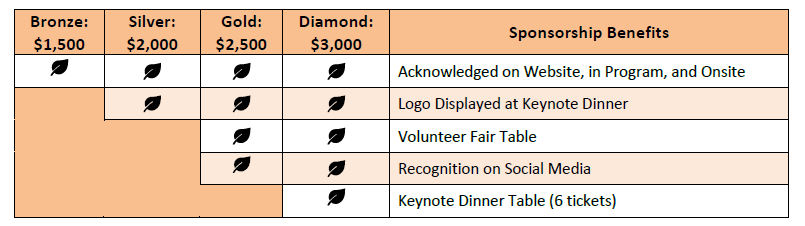
Diamond: $3,000
- Acknowledged on Website, in Program, and Onsite
- Logo Displayed at Keynote Dinner
- Volunteer Fair Table
- Recognition on Social Media
- Keynote Dinner Table (6 tickets)
Gold: $2,500
- Acknowledged on Website, in Program, and Onsite
- Logo Displayed at Keynote Dinner
- Volunteer Fair Table
- Recognition on Social Media
Silver: $2,000
- Acknowledged on Website, in Program, and Onsite
- Logo Displayed at Keynote Dinner
Bronze: $1,500
- Acknowledged on Website, in Program, and Onsite
Exclusive Session Sponsorship Opportunities
Session sponsors will be listed with onsite signage. A limited number of sessions are available for individual sponsorship. Session exclusivity will be determined on a first-come, first-served basis. Sponsors who sign up before July 15 will be contacted in the order they signed up to select sessions.
| Dinner or Evening Social | $1,000 |
| Concurrent Session or Workshop | $500 |
Wisconsin Master Naturalist Program
The Impact is Real: In 2025, our network of over 1,000 volunteers dedicated a staggering 90,000 hours to protecting the state we love. Whether it’s leading citizen science projects, teaching the next generation, or restoring local habitats, Master Naturalists are the backbone of Wisconsin conservation.
The Experience:
- Learn from the Best: Expert-led training in nature’s classroom.
- Lead the Way: Gain the skills to address environmental challenges.
- Give Back: Support the parks, nature centers, and local natural areas that keep Wisconsin wild.