Archives

Jan062020
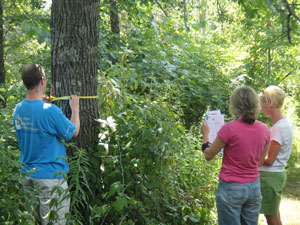
One Master Naturalist taking measurements of a tree and two Master Naturalists entering data on worksheets.

Kickapoo Valley Reserve and Valley Stewardship Network

All 2020 Master Naturalist Volunteer Trainings are postponed due to COVID-19. The Master Naturalist Program continues to work with host organizations to develop a 2021 training calendar, along with new training guidelines and resources to promote healthy and engaging learning environments out in nature and in the classroom. Watch for 2021 locations and dates to be announced by December 1, 2020.

Kickapoo Valley Reserve (KVR) and Valley Stewardship Network are partnering to offer the Wisconsin Master Naturalist Volunteer Training Course. The course will include both classroom time and field experiences in the 8,600 acres of the KVR. The unique features of the Driftless Area will be highlighted in the following topics: geology, ecology, plant communities, wildlife, interpretation, water, and human impacts. Regional experts will be sharing their knowledge, research, tips, and inspiration with us throughout the course.

The Wisconsin Master Naturalist program is a network of well-informed volunteers dedicated to conservation service, leadership, and lifelong learning. The Master Naturalist Volunteer Training provides 40 hours of coursework in natural history, interpretation, and conservation stewardship. Trainings combine classroom instruction with field experiences and are taught by professional natural resources educators and scientists. Once trained, Wisconsin Master Naturalists provide 40 hours of service and take 8 hours of advanced training each year to maintain their certification and receive a recognition pin.

Jan062020
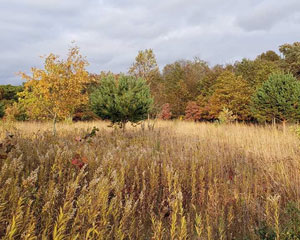
Image of a Fall prairie plant habitat at Welty Center with trees and tall grasses.

Welty Environmental Center Fall

All 2020 Master Naturalist Volunteer Trainings are postponed due to COVID-19. The Master Naturalist Program continues to work with host organizations to develop a 2021 training calendar, along with new training guidelines and resources to promote healthy and engaging learning environments out in nature and in the classroom. Watch for 2021 locations and dates to be announced by December 1, 2020.

The Welty Environmental Center is pleased to host the Wisconsin Master Naturalist program in the 190 acres of Big Hill Park. There will be some inside coursework; however, we will spend much of our time exploring the 3 main ecosystems in Big Hill Park: oak savanna, deciduous forest, and freshwater river. We will study each of these three biomes, how they interact, the geology that informs them, and the rich history of the park that includes Native American meeting grounds, WPA projects, and Wisconsin’s first ski jump. Field tips will may include visits to the Logan Museum, Beckman Mill, Sweet Alynn Park, and the Janesville Outdoor Lab. During this training, you will have the opportunity to learn skills that you may use to assist with field trips and other programming. Potential capstone projects include: construction and maintenance of raised vegetable gardens, improvement and maintenance of blue bird houses, collaboration with Rock County Conservationists on restoring much of the 90 acres of former farmland surrounding the Center to an Oak Savanna, interpretation signage and activities, and curriculum design.

The Wisconsin Master Naturalist program is a network of well-informed volunteers dedicated to conservation service, leadership, and lifelong learning. The Master Naturalist Volunteer Training provides 40 hours of coursework in natural history, interpretation, and conservation stewardship. Trainings combine classroom instruction with field experiences and are taught by professional natural resources educators and scientists. Once trained, Wisconsin Master Naturalists provide 40 hours of service and take 8 hours of advanced training each year to maintain their certification and receive a recognition pin.
Jan062020
Master Naturalist group poses during field trip to Leopold Shack

Friends of Urban Nature

All 2020 Master Naturalist Volunteer Trainings are postponed due to COVID-19. The Master Naturalist Program continues to work with host organizations to develop a 2021 training calendar, along with new training guidelines and resources to promote healthy and engaging learning environments out in nature and in the classroom. Watch for 2021 locations and dates to be announced by December 1, 2020.

Friends of Urban Nature (FUN), a coalition of Madison Parks, Friends groups, and Nature groups, is happy to offer its fifth annual Summer Wisconsin Master Naturalist Volunteer Training course. Held on a series of Saturdays in July and August, this course offers a special focus on learning about nature recreation, nature education, nature restoration, and connecting communities and kids with nature.

FIELD TRIPS

Each Saturday session has a mix of indoor and outdoor education featuring morning and afternoon field trips. Naturalists and topic experts will help you discover and interpret the history, geology, human impacts, ecology, birds and wildlife of nearby urban natural areas including Warner Park, Cherokee Marsh, UW Arboretum, and the Lakeshore Nature Preserve.

TOPICS

Wisconsin’s historic prairies, oak openings, lakes, rivers, and streams, and the native birds, wildlife and natural ecosystems they support, and related topic chapters from the Master Naturalist Class instruction manual, will be woven into all of our studies. Participants will also meet representatives of DNR, Parks, Friends and Nature groups to learn about many opportunities for Master Naturalists to engage as volunteers, participate in Citizen Science, help provide leadership for activities, job opportunities, and community involvement.


The Wisconsin Master Naturalist Program is a network of well-informed citizens dedicated to conservation education and service within Wisconsin communities. The Master Naturalist Volunteer Training Course provides 40 hours of coursework in natural history, interpretation, and conservation stewardship. Trainings combine classroom instruction with field experiences and are taught by professional natural resources educators and scientists. Once trained, Wisconsin Master Naturalist Volunteers provide 40 hours of service and take 8 hours of advanced training each year to maintain their certification and receive a recognition pin.

Jan062020
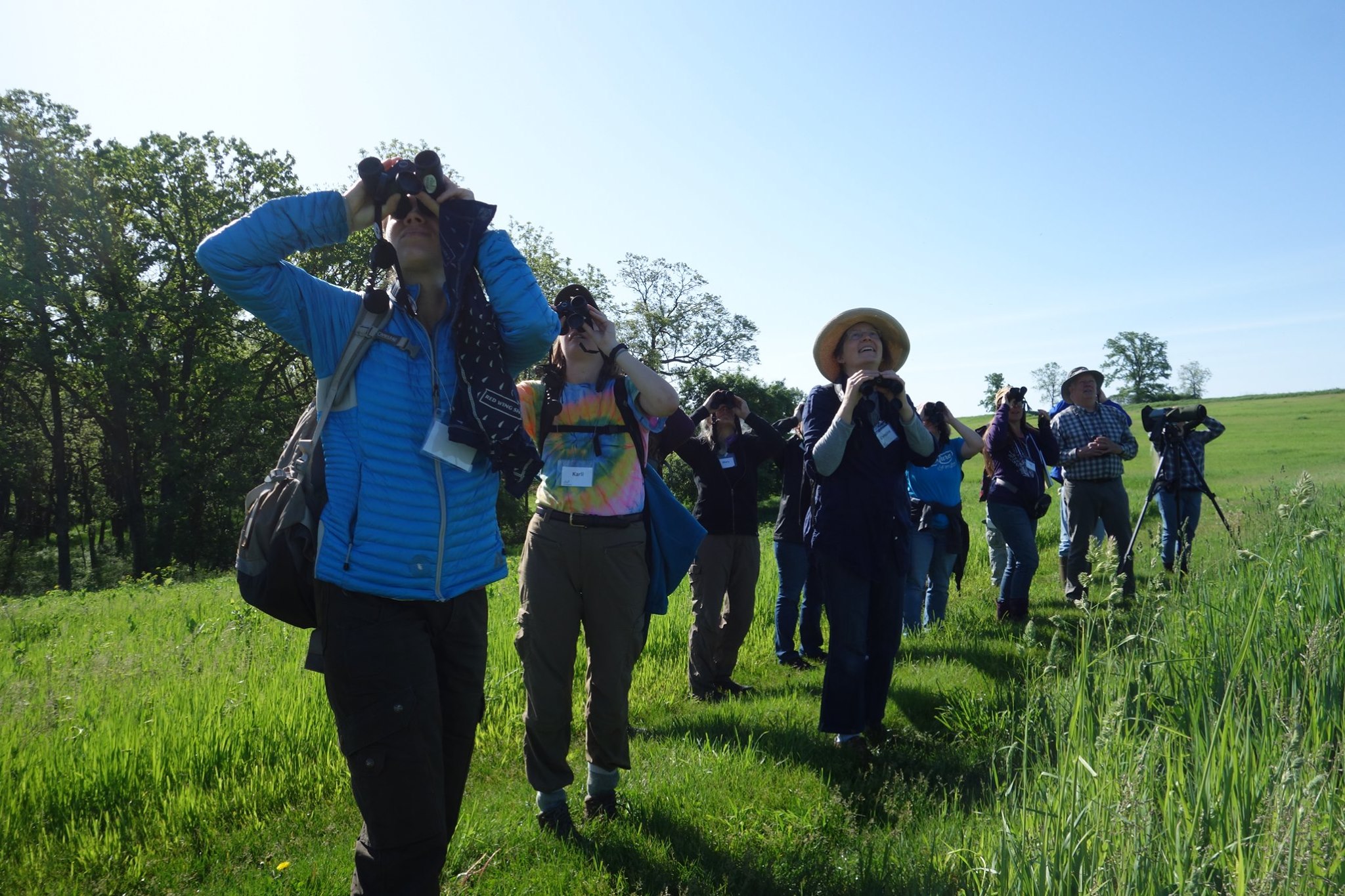
Master Naturalists participate in a bird hike with binoculars and spotting scopes

The Prairie Enthusiasts

All 2020 Master Naturalist Volunteer Trainings are postponed due to COVID-19. The Master Naturalist Program continues to work with host organizations to develop a 2021 training calendar, along with new training guidelines and resources to promote healthy and engaging learning environments out in nature and in the classroom. Watch for 2021 locations and dates to be announced by December 1, 2020.

The Prairie Enthusiasts (TPE) is hosting a field based course at Mounds View Grassland, a 570-acre property owned by TPE located south of Blue Mounds. The site includes remnant prairies, prairie plantings, prairie seed production beds, woodlands, streams and wetlands. Our classroom base will be the rustic Schurch-Thomson barn, a working barn for research and prairie restoration. Topics of the course will include geology, soils, groundwater, plant communities, watersheds, birds, mammals, prairie pollinators and indigenous perspectives. A wealth of guest experts will join us. In addition to exploring our site at Mounds View, we will visit nearby spectacular oak savanna, short-grass prairie and Lower Wisconsin River floodplain areas. Come join us and enjoy the gorgeous spring flowers and birds of the prairie. We will see violets and false indigo blooming and hear Upland Sandpipers and Grasshopper Sparrows singing.

The Wisconsin Master Naturalist program is a network of well-informed volunteers dedicated to conservation service, leadership, and lifelong learning.  The Master Naturalist Volunteer Training provides 40 hours of coursework in natural history, interpretation, and conservation stewardship.  Trainings combine classroom instruction with field experiences and are taught by professional natural resources educators and scientists.  Once trained, Wisconsin Master Naturalists provide 40 hours of service and take 8 hours of advanced training each year to maintain their certification and receive a recognition pin.
Jan062020
image of prescribed burn for habitat maintenance at UW Arboretum, two volunteers are tending to the fire

Ecological Restoration Master Naturalist Training

All 2020 Master Naturalist Volunteer Trainings are postponed due to COVID-19. The Master Naturalist Program continues to work with host organizations to develop a 2021 training calendar, along with new training guidelines and resources to promote healthy and engaging learning environments out in nature and in the classroom. Watch for 2021 locations and dates to be announced by December 1, 2020.

University of Wisconsin-Madison Arboretum and UW-Madison Lakeshore Nature Preserve will offer a Master Naturalist Volunteer training course October 2-4 and 9-11. This course is for volunteers who want to learn more about the art and science of ecological restoration, whether for your own learning or to prepare to volunteer doing environmental stewardship at a restoration site. In addition to the Master Naturalist curriculum, we will emphasize native Wisconsin plant identification, ecosystems of southern Wisconsin, and the practice of ecological restoration. We will learn from experienced restoration managers and naturalists, do hands-on learning, and visit various restoration sites in the surrounding area. University of Wisconsin-Madison Arboretum is the birthplace of ecological restoration and 1200 acres of various ecosystems in an urban oasis. Lakeshore Nature Preserve is a 300-acre natural area for teaching and research situated on 4.3 miles of shoreline on Lake Mendota on the University of Wisconsin-Madison campus.

The Wisconsin Master Naturalist program is a network of well-informed volunteers dedicated to conservation service, leadership, and lifelong learning. The Master Naturalist Volunteer Training provides 40 hours of coursework in natural history, interpretation, and conservation stewardship. Trainings combine classroom instruction with field experiences and are taught by professional natural resources educators and scientists. Once trained, Wisconsin Master Naturalists provide 40 hours of service and take 8 hours of advanced training each year to maintain their certification and receive a recognition pin.

Jan062020
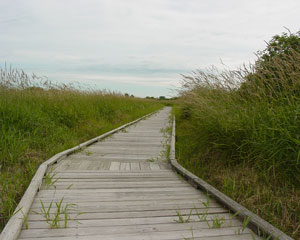
Image of a boardwalk and wetland habitat at park

Capital Springs Recreation Area

All 2020 Master Naturalist Volunteer Trainings are postponed due to COVID-19. The Master Naturalist Program continues to work with host organizations to develop a 2021 training calendar, along with new training guidelines and resources to promote healthy and engaging learning environments out in nature and in the classroom. Watch for 2021 locations and dates to be announced by December 1, 2020.

The Friends of Capital Springs Recreation Area (FOCSRA) , Madison Metropolitan Sewerage District, Lussier Family Heritage Center, Dane County Parks and the Department of Natural Resources are partnering to host a Wisconsin Master Naturalist Volunteer Training Course from April 23 to May 16, 2020. Classes will be held on Thursdays and Fridays, 6 – 9pm, and Saturdays 9am – 4pm. Scholarship support is available through the Master Naturalist program, with additional support available from FOCSRA.

Centered at the Lussier Family Heritage Center and within the surrounding 2,500-acre Capital Springs Recreation Area (CSRA) in Madison and Fitchburg, classes will engage participants with a wide variety of course topics – including Wisconsin geology, water resources, plant communities, wildlife, ecology, and the interconnectedness between humans and the landscape. Participants will experience hands-on activities, field trips, and outstanding guest expert speakers to provide a focused understanding and appreciation of the natural world around us in Dane County. Specifically, participants will learn about the county’s unique glacial history, practice stream monitoring with the Rock River Coalition, take a scientist-led tour of the pristine Waubesa Wetlands, identify migrating shorebirds at Lewis Nine Springs E-Way, tour Madison Metropolitan Sewerage District’s wastewater treatment plant and the UW Arboretum, and participate in a small prairie burn demonstration with the Dane County Parks botanist.

In addition, participants can learn about exciting volunteer activities in our own backyard. CSRA’s unique features make the park a great place to volunteer: a variety natural communities (including vast wetlands, restored prairie and savanna/woodland, acres of undisturbed lakeshore), glacial features, interconnected multi-use trails, and interpretive signage. A portion of CSRA is on the National Register of Historic Places due to archaeological history dating to the late Paleo-Indian period (8500 B.C.). CSRA also includes the Capital Springs State Park on Lake Waubesa.

The Wisconsin Master Naturalist program is a network of well-informed volunteers dedicated to conservation service, leadership, and lifelong learning. The Master Naturalist Volunteer Training provides 40 hours of coursework in natural history, interpretation, and conservation stewardship. Trainings combine classroom instruction with field experiences and are taught by professional natural resources educators and scientists. Once trained, Wisconsin Master Naturalists provide 40 hours of service and take 8 hours of advanced training each year to maintain their certification and receive a recognition pin.
Jan062020
Master Naturalists looking through binoculars during bird hike

Beaver Creek Reserve

All 2020 Master Naturalist Volunteer Trainings are postponed due to COVID-19. The Master Naturalist Program continues to work with host organizations to develop a 2021 training calendar, along with new training guidelines and resources to promote healthy and engaging learning environments out in nature and in the classroom. Watch for 2021 locations and dates to be announced by December 1, 2020.

Beaver Creek Reserve, located just outside of Eau Claire in Fall Creek, WI, is partnering with Wisconsin Master Naturalist to offer another great Volunteer Training course. Beaver Creek Reserve has over 400 acres of land, which allows individuals to explore diverse ecosystems that are home to many native plant and animal species. Our expert staff and guest speakers will share their knowledge of environmental topics both inside and outside the classroom. Topics include geologic history, aquatics, vegetation and wildlife, astronomy, as well as human impact on the environment. Our course focuses on the natural landscape and all that it encompasses in the Chippewa Valley! This volunteer training will help you gain valuable knowledge and skills to grow as a leader within your community. Join Beaver Creek Reserve in supporting our mission by connecting people of all ages with nature!

The Wisconsin Master Naturalist program is a network of well-informed volunteers dedicated to conservation service, leadership, and lifelong learning.  The Master Naturalist Volunteer Training provides 40 hours of coursework in natural history, interpretation, and conservation stewardship.  Trainings combine classroom instruction with field experiences and are taught by professional natural resources educators and scientists.  Once trained, Wisconsin Master Naturalists provide 40 hours of service and take 8 hours of advanced training each year to maintain their certification and receive a recognition pin.

Jan062020
The Wehr Nature Center building entrance on a sunny day

Wehr Nature Center

All 2020 Master Naturalist Volunteer Trainings are postponed due to COVID-19. The Master Naturalist Program continues to work with host organizations to develop a 2021 training calendar, along with new training guidelines and resources to promote healthy and engaging learning environments out in nature and in the classroom. Watch for 2021 locations and dates to be announced by December 1, 2020.

Present day southeast Wisconsin has a rich and varied history of land use patterns going back thousands of years. Our current landscape is the culmination of land and resource decisions made (and not made) from the past and they affect us every day. Discover what lessons may be gleaned from observation, investigation, and reflection upon those past land practices, and how they affect the path forward.

The Wisconsin Master Naturalist program is a network of well-informed volunteers dedicated to conservation service, leadership, and lifelong learning.  The Master Naturalist Volunteer Training provides 40 hours of coursework in natural history, interpretation, and conservation stewardship.  Trainings combine classroom instruction with field experiences and are taught by professional natural resources educators and scientists.  Once trained, Wisconsin Master Naturalists provide 40 hours of service and take 8 hours of advanced training each year to maintain their certification and receive a recognition pin.

Jan062020
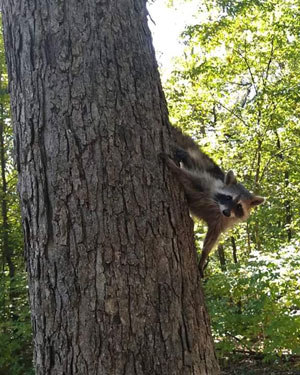
Image of a raccoon climbing down tree

Welty Environmental Center Summer

All 2020 Master Naturalist Volunteer Trainings are postponed due to COVID-19. The Master Naturalist Program continues to work with host organizations to develop a 2021 training calendar, along with new training guidelines and resources to promote healthy and engaging learning environments out in nature and in the classroom. Watch for 2021 locations and dates to be announced by December 1, 2020.

The Welty Environmental Center is pleased to host the Wisconsin Master Naturalist program in the 190 acres of Big Hill Park. There will be some inside coursework; however, we will spend much of our time exploring the 3 main ecosystems in Big Hill Park: oak savanna, deciduous forest, and freshwater river. We will study each of these three biomes, how they interact, the geology that informs them, and the rich history of the park that includes Native American meeting grounds, WPA projects, and Wisconsin’s first ski jump. Field tips will may include visits to the Logan Museum, Beckman Mill, Sweet Alynn Park, and the Janesville Outdoor Lab. During this training, you will have the opportunity to learn skills that you may use to assist with field trips and other programming. Potential capstone projects include: construction and maintenance of raised vegetable gardens, improvement and maintenance of blue bird houses, collaboration with Rock County Conservationists on restoring much of the 90 acres of former farmland surrounding the Center to an Oak Savanna, interpretation signage and activities, and curriculum design.

The Wisconsin Master Naturalist program is a network of well-informed volunteers dedicated to conservation service, leadership, and lifelong learning. The Master Naturalist Volunteer Training provides 40 hours of coursework in natural history, interpretation, and conservation stewardship. Trainings combine classroom instruction with field experiences and are taught by professional natural resources educators and scientists. Once trained, Wisconsin Master Naturalists provide 40 hours of service and take 8 hours of advanced training each year to maintain their certification and receive a recognition pin.
Jan062020
Image of Master Naturalists posed for a group picture during field trip on a sunny day. Farm fields and rolling hills appear in behind them.

Friends of Pheasant Branch Conservancy

All 2020 Master Naturalist Volunteer Trainings are postponed due to COVID-19. The Master Naturalist Program continues to work with host organizations to develop a 2021 training calendar, along with new training guidelines and resources to promote healthy and engaging learning environments out in nature and in the classroom. Watch for 2021 locations and dates to be announced by December 1, 2020.

The Friends of Pheasant Branch Conservancy is hosting a Master Naturalist Course in Middleton beginning June 19, 2020. The course will include some classroom time, but will focus mostly on outdoor experiences in the Pheasant Branch Conservancy and field trips to other exceptional sites for learning in our topic areas. Many experts will share their knowledge, research, tips, tricks and inspiration as they lead or present parts of the course. The Conservancy includes 500 acres of remnant and seeded prairie, oak savanna, woodlands, springs, wetlands, and stream corridors. The course will look within the Conservancy and other places in the Pheasant Branch Watershed and beyond to explore geologic history, ecology, water and plant resources, and the connections between humans and the landscape. The course will have two focal points from which to cover the topics above: one is water, water resources and the relationships between water and all of the above. The other is learning through restoration and management activities – a service-learning approach. The target audience includes individuals who are interested in teaching using the outdoors as a classroom as well as folks interested in volunteering for restoration and management of natural areas all while gaining an environmental knowledge base. Plan to arrange your own transportation with classmates to outdoor sites.

The Wisconsin Master Naturalist program is a network of well-informed volunteers dedicated to conservation service, leadership, and lifelong learning. The Master Naturalist Volunteer Training provides 40 hours of coursework in natural history, interpretation, and conservation stewardship. Trainings combine classroom instruction with field experiences and are taught by professional natural resources educators and scientists. Once trained, Wisconsin Master Naturalists provide 40 hours of service and take 8 hours of advanced training each year to maintain their certification and receive a recognition pin.